


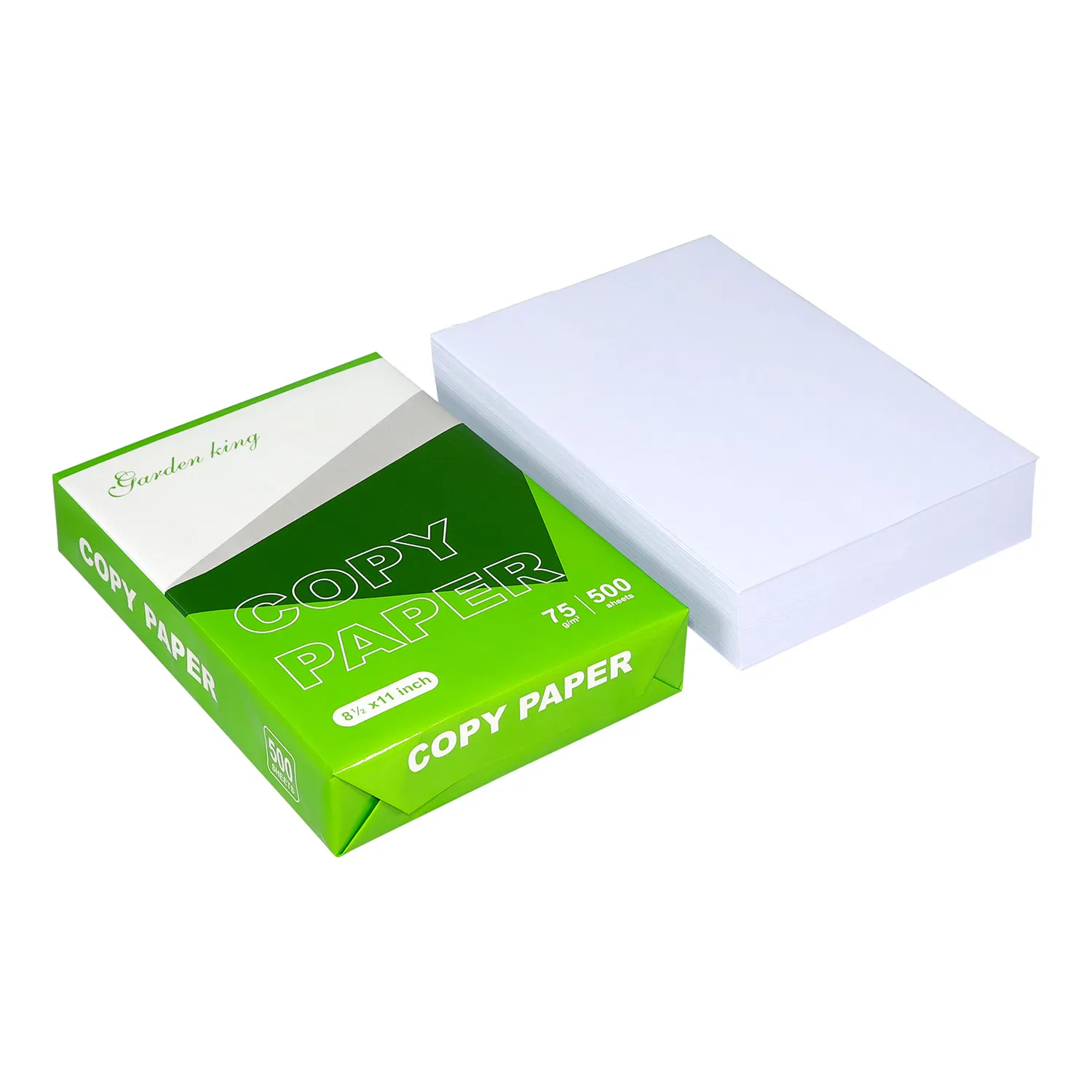

Reams, cartons and pallets describe different packing levels of A4 paper, not interchangeable quantities. A ream is an inner pack, a carton groups packs, and a pallet groups cartons for handling. Confirm sheets per ream, reams per carton and cartons per pallet for the actual product before calculating an order. Some office paper products use 500-sheet reams, but a product-specific packing statement is stronger than an assumption. Total sheets equal pallets multiplied by cartons per pallet, reams per carton and sheets per ream. Record carton dimensions and gross weight separately, because sheet quantity alone won’t tell you whether the delivery fits your storage or handling equipment.
“One pallet of A4” sounds specific until two suppliers propose different pallet configurations. The unit may describe how the goods move rather than how much paper you receive.
Use a packing hierarchy to keep purchasing, warehouse staff and finance working from the same count. It also makes partial deliveries easier to reconcile.
Key takeaways
- Confirm every conversion factor for the offered product.
- Keep total sheets beside the commercial ordering unit.
- Distinguish net paper mass from packed gross weight.
- Check receiving labels and physical counts against the packing list.
Define reams, cartons and pallets of A4 paper
Reams, cartons and pallets of A4 paper form a nesting structure. The inner pack reaches the printer user, the carton protects and groups packs, and the pallet supports larger-scale handling. Their counts can vary by grade, supplier and delivery configuration.
The Double A Presentation page, accessed in 2026, specifies five 500-sheet reams per box for that product. It illustrates why a buyer should retain the named product and its packing statement rather than treating a common format as universal.
Review the A4 copy paper range for the grades you’re considering. Ask for each listing’s confirmed packing hierarchy if its sheet and carton counts aren’t complete. Don’t assume all paper categories in the product directory use the same arrangement.
Compare paper buying units without confusing them
A buying unit is useful only when its contents are clear. Choose the smallest confirmed count as your base, then express the supplier’s proposed delivery in the higher units your receiving team uses.
| Unit | What it describes | Field to confirm | Practical use |
|---|---|---|---|
| Sheet | Individual piece of paper | Size and grade | Total quantity comparison |
| Ream or pack | Inner wrapped quantity | Sheets per pack | Printer-room stock issue |
| Carton | Group of inner packs | Packs per carton | Ordering and manual receiving |
| Pallet | Group of cartons | Cartons and stacking pattern | Bulk handling and space planning |
Decision: use total sheets for quantity verification and cartons or pallets for logistics planning. One field cannot replace the other.
Keep the word “pack” if the supplier uses it instead of ream. A warehouse label should follow the agreed unit description, not change it midway through the order. Separate mixed-grade pallets into identifiable product lines.
Calculate A4 paper quantities step by step
An A4 paper quantity calculation should be reproducible from a written packing statement. The following numbers are an illustrative worksheet only; replace them with your supplier’s confirmed counts.
- Enter sheets per pack. Example assumption: 500.
- Enter packs per carton. Example assumption: five, giving 2,500 sheets per carton.
- Enter cartons per pallet. Example assumption: forty, giving 100,000 sheets per pallet.
- Multiply by delivered pallets. Example assumption: two, giving 200,000 sheets.
- Add loose cartons or packs separately. Avoid rounding them into a full pallet.
- Reconcile the order and packing list. Both should describe the same total quantity and grade.
The general formula is total sheets = full pallets × cartons per pallet × packs per carton × sheets per pack, plus separately listed partial units. Reverse the calculation when you begin with a sheet requirement, then ask whether the supplier can supply the resulting partial quantity.
For an office that needs 60,000 sheets in this example, twenty-four cartons would meet the arithmetic requirement. The supplier still needs to confirm whether that quantity and packing are available. Calculation doesn’t establish an order minimum.
Plan weight, dimensions and receiving labels
Paper sheet count doesn’t determine packed shipping weight or footprint by itself. Grammage describes mass per area, while wrappers, cartons and pallets add their own mass. ISO 536:2019 provides the grammage measurement framework, not a universal packed-weight conversion.
Ask for these fields before arranging storage:
- Carton external dimensions and confirmed gross weight.
- Pallet base dimensions, loaded height and gross weight.
- Number of cartons per layer and number of layers.
- Whether pallets contain one grade or separately labeled mixed grades.
- Handling restrictions and protection used around the load.
GS1 US’s barcode placement guidance, accessed in 2026, distinguishes checkout packaging from warehouse scanning needs. Ask which labels your receiving process needs; don’t assume the inner-pack barcode identifies an entire pallet.
Receiving worksheet: product reference; expected full pallets; loose cartons; actual carton count; packs per checked carton; sheet count claim; visible damage; label match; discrepancy action. Record a discrepancy before issuing the paper to departments.
Frequently asked questions about paper quantities
Does one ream always mean 500 sheets?
Don’t rely on that assumption for an order. Many office paper packs state 500 sheets, but the actual product label and quotation should confirm the count you’re paying for.
How many cartons are on a pallet of A4 paper?
There is no single count you should assume. Ask the supplier for its pallet configuration, dimensions and gross weight, then calculate total sheets from the confirmed hierarchy.
Can two pallets contain different amounts of paper?
Yes, different carton counts, pack sizes or grades can produce different totals. Pallet dimensions may also differ, so confirm both quantity and handling details when comparing offers.
Can I estimate transport weight from grammage?
You can calculate a theoretical paper-only mass from sheet area, grammage and count. Use the supplier’s confirmed gross weights for transport planning because packaging and actual product tolerances also matter.
How should I record a partly delivered pallet?
Count the delivered cartons and loose packs rather than recording a fractional pallet alone. Reconcile the sheet total and label the missing quantity so the remaining order is clear.
Confirm the packing hierarchy before ordering
For reams vs cartons vs pallets of A4 paper, the reliable answer starts with confirmed sheet counts. Keep a packing worksheet attached to the quotation and receiving record so everyone can reproduce the conversion. Ask BAOWU PAPER about your A4 packing requirement with the desired total sheets and preferred delivery units. Request the carton and pallet details needed for your warehouse rather than assuming a standard configuration.