


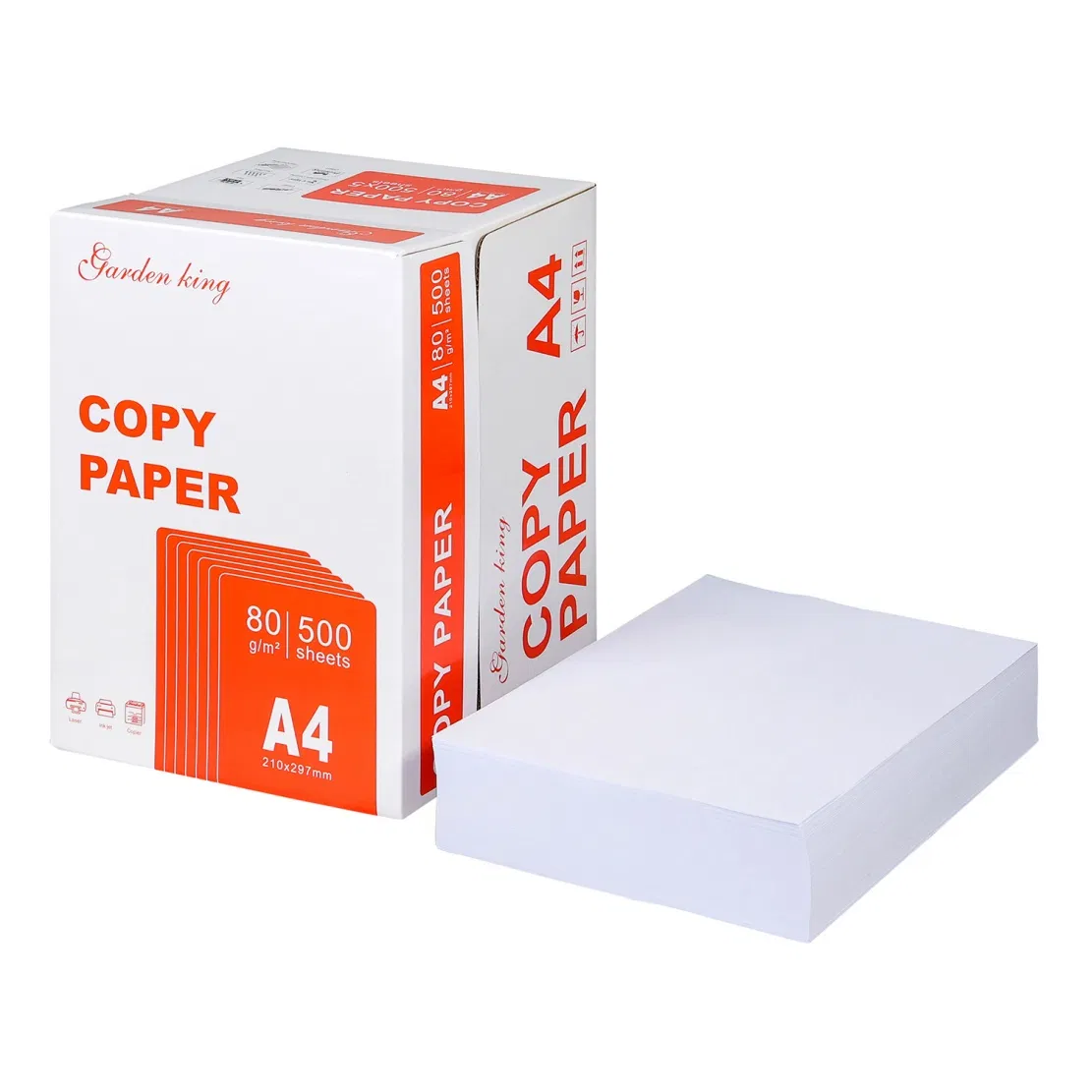

Plan private label A4 paper packaging by confirming the paper grade and the supplier’s actual packaging capability before designing the wrapper. Create a brief covering brand ownership, sheet count, grammage, carton configuration, artwork files, product claims and barcode requirements. Ask who produces and approves each component, what quantities are feasible and how a physical pack sample will be checked. GS1 barcode guidance and Forest Stewardship Council (FSC) labeling rules can inform specific artwork decisions, but neither proves that a supplier can deliver your project. Don’t place a certification mark, printer compatibility claim or manufacturing statement on a wrapper until its basis and permission have been verified.
A paper wrapper is both a product label and a protection layer. Designing it before confirming the offered grade can leave you with attractive artwork that describes the wrong product.
Treat private labeling as a capability question. This guide helps a buyer prepare that conversation; it does not state that BAOWU PAPER offers private label production.
Key takeaways
- Confirm capability, product grade and practical quantities first.
- Keep artwork approval separate from paper sample approval.
- Verify the basis of every product and certification claim.
- Test the actual printed pack, not only a screen preview.
Confirm private label A4 paper packaging capability
Private label A4 paper packaging starts with a supplier’s written explanation of what it can provide. Ask whether the proposed work covers an inner wrapper, outer carton, label application or another arrangement. Don’t use these descriptions interchangeably.
Request the available grade, packing count, artwork process, feasible quantity, estimated preparation sequence and sample arrangement. Ask who is responsible for the packaging components and how the paper identity will be preserved. Record each response as confirmed or pending.
Browse the A4 paper product category to identify a candidate, then make a separate capability inquiry. A stock product photograph doesn’t demonstrate custom wrapping or custom brand authorization. The company information page gives context, while a project-specific response resolves your packaging questions.
Build a private label paper artwork brief
A private label paper artwork brief should identify the product and required files without inventing properties. Specify your brand name, approved logo, paper description, size, grammage, sheet count and the languages your receiving or sales process needs.
| Brief item | Buyer supplies | Supplier confirms |
|---|---|---|
| Brand identity | Owned or authorized logo and wording | Suitable production file requirements |
| Paper identity | Requested grade and use | Actual grade and available evidence |
| Inner pack | Preferred sheet count and layout | Count, dimensions and wrapper format |
| Outer carton | Required labels and fields | Carton configuration and print process |
| Barcode | Product identifier and scan purpose | Placement and physical print feasibility |
| Claims | Proposed wording and supporting records | Scope and permission for the offered product |
| Approval | Named buyer reviewer | Proof and physical sample sequence |
Decision: keep the brief as a working document until product identity and wrapper dimensions are confirmed. Avoid paying for final artwork around an unverified configuration.
Use an artwork version code on every proof. The code belongs in the approval record, not necessarily on the consumer-facing wrapper. A small change to sheet count is a product-label change and should receive the same review as a large change to color.
Check barcodes and product claims before approval
Barcode and product-claim checks should happen before artwork is released for printing. The barcode must represent the correct item and work on the physical surface where you intend to scan it.
GS1 US’s barcode guidance, accessed in 2026, calls for suitable contrast, clear surrounding space and appropriate placement. Use its guidance for the barcode type and scanning environment you need rather than stretching a barcode image to fit a gap.
Certification marks need their own evidence. FSC USA’s on-product label guidance, accessed in 2026, instructs buyers to verify the final supplier’s certification and have authorized label use approved. This does not establish FSC certification for BAOWU PAPER or for any particular listing.
Make a claims register with four fields: proposed wording, evidence source, product scope and approval owner. Leave unsupported claims out. Terms such as “all printers,” “archival” or “certified” need a defined basis; a competitor’s wrapper is not evidence for your product.
Inspect a physical A4 paper pack sample
A physical pack sample reveals folding, sealing, labeling and handling details that aren’t visible in a flat artwork file. Check the paper sample and packaging sample separately so one approval doesn’t automatically approve the other.
- Match the artwork version. Confirm the pack uses the file your reviewer approved.
- Read every product field. Check size, grammage, sheet count and grade against the agreed specification.
- Inspect the wrapper. Look for readable printing, intact seams and a usable opening arrangement.
- Check the barcode in practice. Test the printed surface with the equipment used at the intended receiving or sales point.
- Inspect the carton hierarchy. Confirm pack count, labels and the relationship between inner and outer product references.
- Record corrections. Photograph each issue and identify its location on the approved artwork.
HP’s paper storage guidance, accessed in 2026, recommends retaining protective packaging until paper is needed. That reinforces the need to examine wrapper function as well as graphics, while your supplier should confirm the protection available for its pack.
Ask how approved files and samples will be retained for a repeat order. Record any change in grade, packaging source or artwork as a new approval item rather than assuming repeat supply is automatically identical.
Frequently asked questions about private label paper
Does a supplier’s product range prove private label capability?
No, stock products and private label capability are separate matters. Ask what packaging work the supplier can actually arrange, then request a written project response before preparing final production files.
Should the inner pack and carton use the same barcode?
Not automatically, because they may represent different trade items or scanning units. Confirm your identification plan and relevant barcode requirements before assigning artwork to the different packing levels.
Can I copy a certification logo from another wrapper?
No, another product’s mark doesn’t authorize use on yours. Verify the offered product, supplier status and applicable approval process, then use only the wording and artwork permitted for that scope.
Is a digital artwork proof enough to approve packaging?
A digital proof checks content and layout, but it cannot confirm the physical wrapper’s sealing or scan performance. Ask what physical pack sample can be supplied and record the checks it supports.
Should I approve the paper before its wrapper?
Confirm the paper identity before finalizing product claims and counts on the wrapper. You can develop preliminary artwork in parallel, but keep paper approval and packaging approval as separate documented decisions.
Prepare a packaging capability inquiry
Plan private label A4 paper packaging around a confirmed grade, truthful labels and a physical approval process. Use the brief and claims register to decide what needs evidence before artwork is printed. Ask BAOWU PAPER about your packaging requirement and request confirmation of any available capability, quantities and sample process. Keep that inquiry open until the supplier responds; this planning guide makes no private label supply promise.