


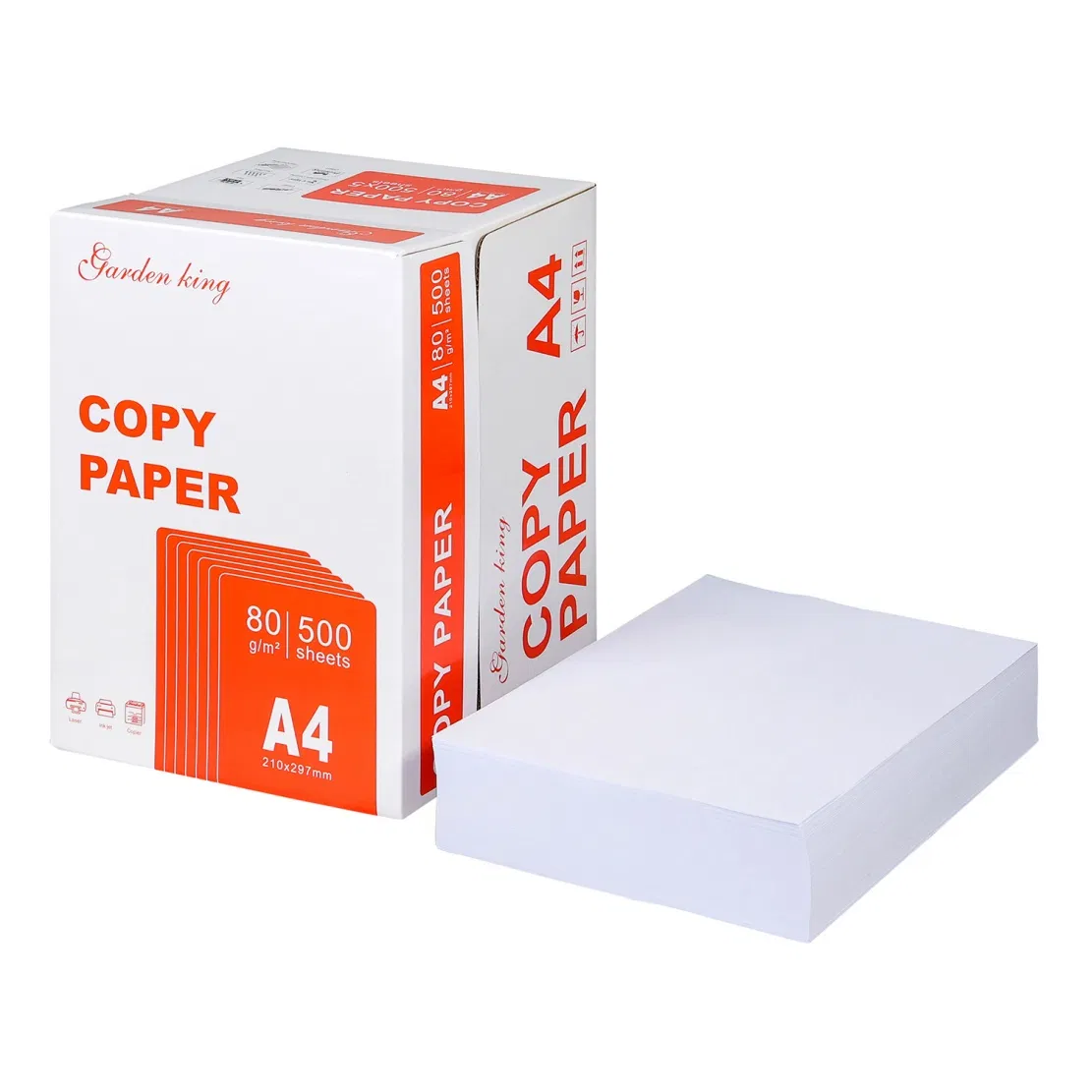

Calculate paper cost per print by dividing the paper cost consumed by the accepted output for the job. First define whether “print” means one printed side, one physical sheet or one finished document. Use the actual number of sheets purchased and include agreed landed costs in the same currency. Count rejected sheets and test sheets as consumed paper, but do not count them as accepted output. Duplex printing can reduce sheet use, yet odd pages and reprints change the result. Keep paper cost separate from toner, ink, maintenance and labour. A cost worksheet with a clear denominator is more useful than a cheap carton price that hides the pack count.
An office can compare two paper offers incorrectly even when both prices are accurate. One offer may have a different pack count, and a “cost per page” spreadsheet may treat two printed sides as two physical sheets.
Use confirmed counts from the A4 copy paper quotation and measure the job you want to produce. The currency examples below are hypothetical, not live prices.
Key takeaways
- Define a print as a side, sheet or finished document before dividing costs.
- Compare sheet cost using verified quantities and comparable landed terms.
- Include test and rejected sheets in consumed paper.
- Treat declared cartridge yield as a comparison input, not guaranteed office output.
Start the paper cost per print calculation with units
A paper cost per print calculation needs a consistent unit for purchase and output. Convert the quoted packs into sheets first. If an offer includes delivery or other costs, state which costs are included and compare offers on the same basis.
Paper cost per purchased sheet = included paper purchase cost ÷ purchased sheets. Paper cost per accepted printed side = paper cost consumed by the job ÷ accepted printed sides. The two answers describe different stages of the process.
In a hypothetical purchase, USD 5.00 for a confirmed 500-sheet pack gives USD 0.0100 per purchased sheet. That number assumes all 500 stated sheets are available; it does not include ink, toner or equipment cost.
Keep tax treatment and currency conversion consistent with your own accounting practice. This guide supplies arithmetic for purchasing discussions, not tax advice or a current exchange rate. A separate cost column makes those decisions visible instead of hiding them inside the paper price.
Compare simplex and duplex paper cost per print
Simplex and duplex paper cost per print differ because a sheet can carry one or two accepted sides. Compare the same job, and count actual sheets rather than assuming duplex always halves consumption.
The following hypothetical table uses USD 0.0100 per sheet, 10,000 accepted printed sides, no rejects and an even-page job. It calculates paper only.
| Job route | Physical sheets consumed | Accepted output quantity and unit | Paper cost | Paper cost per listed output unit |
|---|---|---|---|---|
| Simplex | 10,000 | 10,000 | USD 100.00 | USD 0.0100 |
| Duplex, fully paired pages | 5,000 | 10,000 | USD 50.00 | USD 0.0050 |
| Duplex finished two-sided sheets | 5,000 | 5,000 finished sheets | USD 50.00 | USD 0.0100 per finished sheet |
Use the denominator that matches the decision. The last row is not a worse result; it reports cost per physical output sheet rather than per side.
Odd-page documents leave some backs blank. Separating jobs into many small documents can therefore use more paper than one continuous even-page run. Count the sheets your actual workflow uses before setting a savings target.
Include rejected paper and setup sheets
Rejected paper and setup sheets raise paper cost per accepted output because they consume stock without completing the job. Keep those sheets in the numerator and exclude them from accepted output.
- Record the starting paper balance or sheets loaded for the test job.
- Record usable paper returned after the job.
- Count accepted output in the chosen unit.
- Record test, misprinted and rejected sheets separately.
- Calculate consumed paper cost using the verified sheet cost.
- Divide that cost by accepted sides, sheets or documents and label the answer.
In a hypothetical simplex job consuming 1,000 sheets at USD 0.0100 each, with 970 accepted sides, paper cost per accepted side is USD 10.00 ÷ 970, approximately USD 0.01031. The difference comes from the measured reject count in the example, not an assumed industry waste rate.
Record why sheets were rejected. A changed file, wrong tray setting or damaged pack needs a different correction from a paper grade that does not meet the job’s agreed requirement.
Keep full printing cost separate from paper cost
Full printing cost can include paper, ink or toner, service charges, maintenance, labour and other agreed items. Keep each line visible so a paper choice is not blamed for unrelated cost changes.
HP’s inkjet yield explanation says standardized cartridge yield is a comparison starting point and actual use varies with printed content and printing habits (undated, accessed 2026). HP’s LaserJet toner guidance also cautions that actual yield can differ from declared yield (undated, accessed 2026). Neither figure guarantees the cost of your office’s jobs.
For a purchasing worksheet, use columns for grade, landed pack cost, verified sheet count, sheet cost, consumed sheets, accepted output, paper cost per output unit and separate non-paper costs. Add a date and source for every price used.
Compare the approved job requirement as well as cost. The paper application information can help define whether the job is routine text or a presentation. A cheaper stock is not automatically cheaper per usable output if the job needs more reprints.
Frequently asked questions about paper cost per print
Is cost per page the same as cost per sheet?
Not always. A page may mean a printed side, while a physical sheet can carry two sides. Define the unit before comparing the result.
Does duplex printing always cut paper cost in half?
No. The theoretical saving assumes paired pages and no extra waste. Odd-page documents, inserts and reprints can change actual sheet consumption.
Should unused paper returned to the shelf count as consumed?
No, if it remains usable and identifiable. Record the returned quantity so the job is charged for paper actually consumed.
Can cartridge yield be added as a guaranteed cost figure?
No. Declared yield supports comparison under defined testing conditions. Use actual office data when estimating your operating cost.
Should a lower carton price decide the purchase?
Compare verified sheet counts, landed terms and usable output first. A carton price alone does not reveal the cost of the completed job.
Use the worksheet before requesting an A4 quotation
Calculate paper cost per print with a defined output unit and measured paper consumption. Keep all illustrative prices separate from actual quotes. Send your A4 grade, pack count, expected usage and destination through the paper quotation enquiry form, then enter the confirmed offer into your worksheet. Review a trial job before assuming that the lowest sheet cost will produce the lowest completed-job cost.